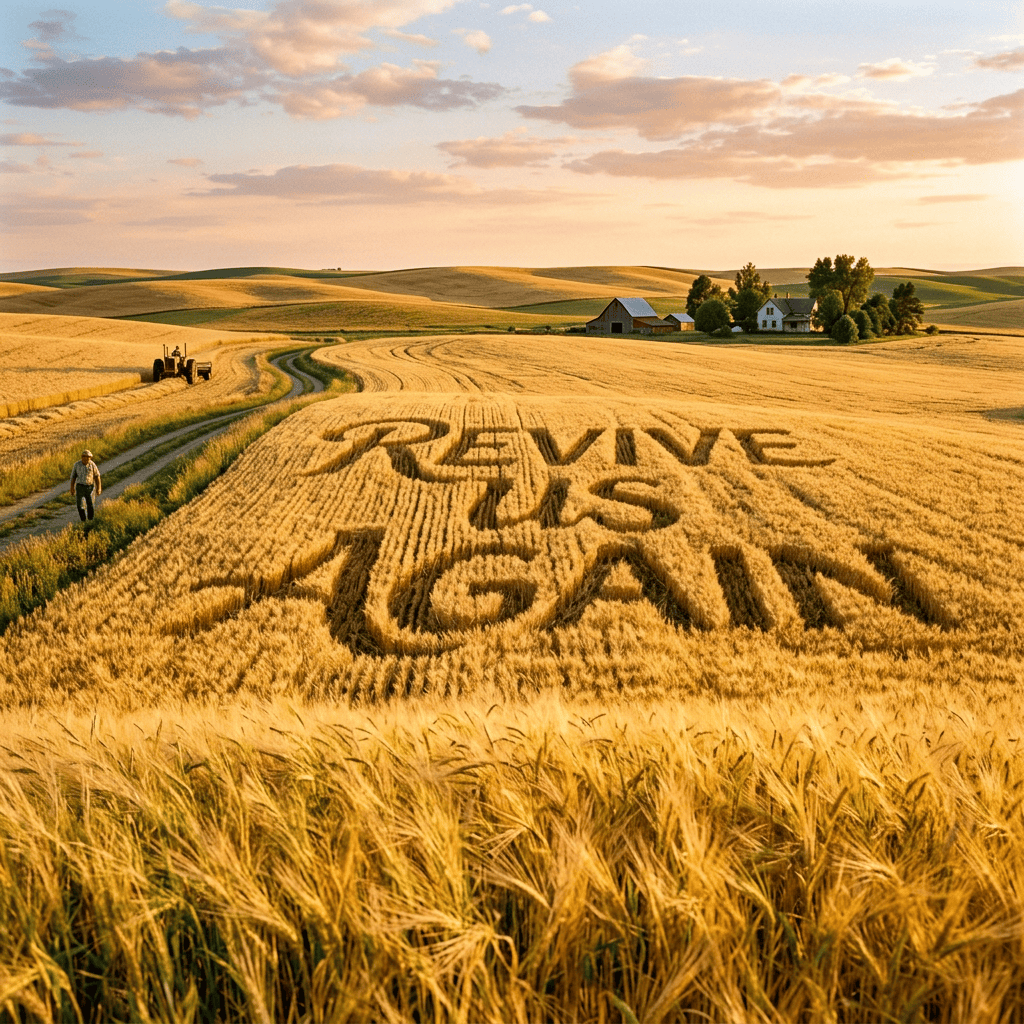
“Wilt thou not revive us again: that thy people may rejoice in thee” (Psalm 85:6)
This is a Psalm of the present, the past and the future. This is not unusual in the Psalms because this is how we function as human beings. We live in the present grappling with life’s challenges. We reflect upon the past carrying our memories. We plan for and anticipate that future with all that it will bring.
This is precisely what the writer of this song for the sons of Korah does. The Psalm naturally breaks into three sections which cover the past, present and future. At the heart of the song there is the earnest prayer for revival. In all of the past present and future of the Church – revival is at the heart. Without revival the Church would not be here today. Revival in the past has given us our present. Revival in the present will give the Church a future. Christ has promised to build His Church and that the gates of Hell will not prevail against it. As He builds His Church, however, revival is one of the means that He employs. Therefore, without revival the Church will not have a future. Revival is God’s way of building and preserving His Church. Yet it is not God’s will for His Church to be constantly in revival. Such is our fragile nature, our emotional and physical well being could not withstand a sustained and constant outpouring of the Holy Ghost. Much of the history of the Church is filled with people who laboured at work faithfully in hard and difficult times, remaining true to their principles. Nevertheless – we need and must have periods when God comes down. At times we feel this need more acutely than others. The writer of this Psalm was in such a time when he prayed this prayer. We, also, are in similar days.
Reflecting upon Past Mercies
“LORD, thou hast been favourable unto thy land: thou hast brought back the captivity of Jacob. Thou hast forgiven the iniquity of thy people, thou hast covered all their sin. Selah. Thou hast taken away all thy wrath: thou hast turned thyself from the fierceness of thine anger.” (Psalm 85:1-3)
This Psalm appears to have been written in the post exilic period. The children of Israel have returned from Persia after seventy years. God permitted them to be taken as slaves in the “fierceness of his anger” on account of the sin of idolatry which permeated the fabric of society. God, however, after Babylon fell, stirred up the heart of Persian Emperor Cyrus, permitting the Jews to establish themselves as a nation again. Therefore the people came out of captivity under Zerubbabel and the rebuilding work began. To the Psalmist this was a tangible sign of God’s grace in that their iniquity was forgiven and their sin was covered.
We today can reflect on God’s goodness manifested through His grace.
God in mercy has saved us by rescuing us from the captivity of sin, converting our souls and giving us a life worth living.
He has also treated us in love in our days of wandering, when our love for Him grew cold. He is married to the backslider, never casting us off but forgiving our sins. At times He has chastened us as a father chastens his children, yet it was all for a good purpose, that we might yield “the peaceable fruit of righteousness” and become “partakers of his holiness” (Hebrews 12).
There have been days of blessing, when heaven came down. We can reflect upon missions when souls were saved and the presence of God was real. We can look backward into our history and identify moments when the course of our nation was transformed by the gospel. This year we are commemorating the 500th Anniversary of the arrival of William Tyndale’s New Testament in English. The precious volumes were smuggled because they were contraband. The church burned them when they were seized. The translator was strangled with his body burned at the stake. But the Word of God could not be destroyed. The gospel progress in these islands was dependent upon the Book, the Book of Books. Where would we be without a Bible? God has been good.
Praying for Present Blessings
“Turn us, O God of our salvation, and cause thine anger toward us to cease. Wilt thou be angry with us for ever? wilt thou draw out thine anger to all generations? Wilt thou not revive us again: that thy people may rejoice in thee? Shew us thy mercy, O LORD, and grant us thy salvation.” (Psalm 85:4-7)
We get a strong sense, however, from this writer that things were not well among God’s people. Despite God’s goodness in the past, the work was going backwards in the present. This cry for revival echoes the words of Habakkuk, from a different period of history:
“…revive thy work in the midst of the years, in the midst of the years make known; in wrath remember mercy”
Habakkuk 3:2
It appears that God was angry with His people once again on account of their sin. We know from the writings of Ezra, Nehemiah, Haggai, Zechariah and Malachi that there were occasions when the work after the exile fell into decay. Haggai and Zechariah rebuked the people for failing to rebuild the temple. While they had been inhibited by the inhabitants of the land who did not welcome their arrival, they had also become complacent placing their own material interests ahead of the House of God. Nehemiah had to re-energise the people into rebuilding the walls of Jerusalem. He also, was greatly grieved to see the men taking heathen wives , placing in jeopardy the holy seed. Malachi accused the people of robbing God, in withholding their offerings. The writer of the Psalm was likewise grieved as he witnessed his people despise the mercies of God.
Revival occurs when God’s people are turned back again. This is a turning that God alone can accomplish. Therefore revival is not what we contrive, plan or scheme. Revival is a product of the Spirit of God alone. This is something we ought to long for and pray for. Revival is the cause is the cause of great joy among God’s people because it signifies a new beginning in our spiritual experience. This joy, however, is not a joy based on outward circumstances. They were not rejoicing because of their achievement. They rejoiced in the Lord. Revival does not make us joyful because of increased numbers attending worship or in the increased offerings into the treasury of God. Revival creates a rejoicing in Christ. His will for us is that our joy in Him might be full (Psalm 16:11, John 15:11, 16:24).
Anticipating the Future Promises
“I will hear what God the LORD will speak: for he will speak peace unto his people, and to his saints: but let them not turn again to folly. Surely his salvation is nigh them that fear him; that glory may dwell in our land. Mercy and truth are met together; righteousness and peace have kissed each other. Truth shall spring out of the earth; and righteousness shall look down from heaven. Yea, the LORD shall give that which is good; and our land shall yield her increase. Righteousness shall go before him; and shall set us in the way of his steps.” (Psalm 85:8-13)
The writer of this Psalm fully expected God to work again in the future by granting a harvest of blessing. Was the praying not the sowing? As he prayed for revival he believed that “our land would yield her increase”. This harvest is of truth – “Truth shall spring out of the earth”. It is a harvest of preaching truth and Christians who live out that truth.
This harvest of blessing brought glory to the land as the fear of God filled the hearts of the people – “Surely his salvation is nigh them that fear him; that glory may dwell in our land”. Revival brings the glory of God down, as His people fear Him in a new way. As this happens blessings spring up. Souls are saved, families are restored to proper order, churches are filled with praying and praising people and the nation is permeated with Biblical principles. God has come. This is what we need. Let us sow in tears that we might reap in joy (Psalm 126).
As he prayed he waited for a Word from heaven, the voice of peace. He knew that such a voice would come bringing promises for the future. Revival is restoration of the Word of God to its rightful place in our lives. Revival tunes God’s people to the Word. So often we are not tuned to the Word. We are not listening. We are not meditating. We are not thinking. When God moves we hear His voice.
As God’s glory comes down, the Psalmist describes a unique event, unparalleled in Scripture:
“Mercy and truth are met together; righteousness and peace have kissed each other.”
God is never merciful at the expense of his justice. He never creates an unjust peace. He vindicates and satisfies justice while dispensing mercy and forgiving his people.
He accomplishes this at the Cross. On Calvary Christ suffered the wrath of God for our sin. Justice was satisfied in the shedding of this precious blood. This is the ground upon which God can be merciful.
Therefore revival is a blood bought blessing. It stems from the hill of the cross. Revival is a work of the Spirit. The resurrected Christ promised the Holy Ghost. He sent forth the Spirit as the Comforter. Therefore every work of the Spirit in this New Testament age flows from the Christ who died and rose again. This highlights that everything we possess spiritually and all that God promises is of grace.
Revival makes God’s people increasingly aware of the cost of forgiveness to Christ as He bore our sins. True revival preaches Christ and proclaims the merits of Christ’s blood. Furthermore, when God does His work of grace there is repentance. Where there is mercy, there is righteousness. Therefore the Psalm concludes – “Righteousness shall go before him; and shall set us in the way of his steps”. Revival turns back the backslidden lethargy of the Church and sets us in the way of holiness. Above all, a revival of righteousness and truth creates joy in God through Christ. Sin creates sorrow and defeat. Failure is the bedfellow of backsliding. Sorrow accompanies sin. In contrast joy is the friend of revival.
We have a glorious past to remember and promises for the future to embrace. But what of our present condition? Are we content to recount the great works of God in former generations, while experiencing so little of His power ourselves? The God who revived His people in days gone by has not changed. The Christ who purchased our redemption still reigns, and the Spirit who descended at Pentecost has not departed from His Church. Let us therefore seek the Lord, confess our sins and plead once again the prayer of the Psalmist: “Wilt thou not revive us again: that thy people may rejoice in thee?”


Leave a Reply