Welcome to Clogher Valley Free Presbyterian Church
SERVICE TIMES
Sabbath School – 11:15am
Morning Worship – 11:30am
Sunday Radio Broadcast – Noon (981 MW)
Gospel Service – 7pm
Claremore Bible Club (Seasonal) – 6:30pm (Wednesdays)
Wednesday Bible Study & Prayer – 8:00pm
Thursday Bible Club (Seasonal) – 6:30pm
Friday Youth Fellowship (seasonal) – 8:00pm
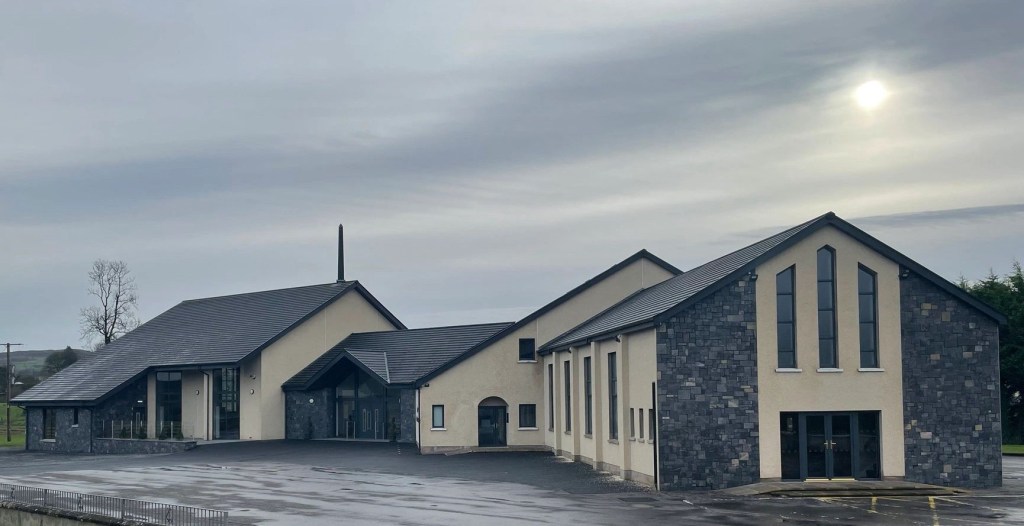
Situated on the A4 between the villages of Clogher and Fivemiletown, our congregation has been worshipping God since it’s formation in 1970. Originally assembling in a wooden building the first permanent meeting house was erected in 1977. In 2021 the congregation moved into our new meeting house with the former building transformed into a church hall. Please browse this website for all the information about our mission & ministry and take time to connect with us should you have any questions or queries.
Click on the playlist below for a selection of clips from recent sermons
100 Ballagh Road
Fivemiletown
Co Tyrone
Northern Ireland BT75 0LD
UK

JOIN OUR SERVICES ONLINE AND ACCESS OUR PODCAST LIBRARY

FOLLOW US ON SOCIAL MEDIA FOR OUR LATEST NEWS, PODCASTS & VIDEOS
LATEST PODCASTS ON SPOTIFY
- Psalm 86: A Token for GoodPsalm 86 is a deeply personal reflection by David, who earnestly seeks a sign of God’s presence amid his troubles. He expresses his continuous need for divine mercy and support, recognising God’s past kindness. David’s plea for a “token for good” underscores his desire for encouragement and strength through prayer as he faces life’s challenges.
- HARVEST: A LAND BLESSED BY GOD“While the earth remaineth, seedtime and harvest, and cold and heat, and summer and winter, and day and night shall not cease.” (Genesis 8:22) When Noah stepped out of the ark, God made a wonderful promise. Throughout the generations that promise has been faithfully kept. Year after year, the earth continues to yield its increase. Here in Northern Ireland, we have particular reason to be thankful. Agriculture remains a vital part of our rural life and economy. Our farms produce around 2 billion litres of milk each year, while our fields and grasslands support a thriving livestock industry. With less… Read more: HARVEST: A LAND BLESSED BY GOD
- Psalm 85; Revive us AgainPsalm 85 calls us to remember God’s mercies in the past, seek His reviving power in the present, and anticipate His blessings in the future. True revival cannot be manufactured by human effort; it is the sovereign work of the Holy Spirit, flowing from the finished work of Christ at Calvary. In days of spiritual decline, let us make the Psalmist’s prayer our own: “Wilt thou not revive us again: that thy people may rejoice in thee?”
- One Little Sin (James 10)The passage from James emphasises that all sins carry equal weight, rendering one guilty if they break any part of the law. It criticises partiality in church gatherings, especially favouring the rich over the poor. Genuine love and mercy towards all are urged, highlighting the need for humility and compassion in the Christian faith.
- Psalm 84; The True WorshipperThe Psalm dedicated to the sons of Korah highlights the essence of true worship, which is a heartfelt connection with the living God rather than mere ritual. It emphasises commitment, endurance in adversity, and the joy of serving God. Ultimately, true worship brings grace, glory, and genuine happiness through faith in the Lord.


