
A Present and Future Reality
This particular study is focused upon learning lessons from the past for both the present and the future. This is the nub of history. It cannot be a mere fact learning exercise. If our history lessons are only a learning of facts we have missed the purpose. Revival is both a present and a future reality for the Church. Revival is occurring at all times in several parts of the world among the people of God. This work of revival has been a constant characteristic of Christ’s body since the Day of Pentecost.
Unpacking the Sails
Not all Christians have seen or experienced revival but all, have benefitted from revival and every prayer for revival will be answered in God’s time. In examining some of the characteristics of revival; we ought to thirst for revival by endeavouring to build our Christianity upon the pattern of the revived Church. We cannot create revival, we cannot manufacture revival but we can certainly emulate the characteristics of truth and faithfulness that we discern in the revival Church. The Bible teaches that “the wind bloweth where it listeth” and we cannot tell where it’s coming from or where it’s going to, “so is everyone that is born of the Spirit” (John 3). We cannot make the wind blow but we can set our sails to catch the wind of God when revival comes. This study will unpack the sails with the intention that together we hoist them in expectation and readiness for the coming wind.
REVIVAL IS GOD’S INTERVENTION IN HUMAN AFFAIRS
Revival principally and essentially is a work of the Holy Ghost. In Scripture this work is known as as the outpouring of the Spirit as was the case at Pentecost.
“And it shall come to pass in the last days, saith God, I will pour out of my Spirit upon all flesh…”
Acts 2:17
The reforms led by King Hezekiah dramatically demonstrate how surprisingly events can turn because God comes down:
So the service of the house of the LORD was set in order. And Hezekiah rejoiced, and all the people, that God had prepared the people: for the thing was done suddenly.
2 Chronicles 29:34-35
The Evangelical Awakening

The work known as The Evangelical Awakening transformed the face of Britain spiritually and socially. In 1735 four of the most popular preachers during this revival were converted in circumstances that were unconnected. 1735, therefore was a year of grace as Howell Harris, Daniel Rowland, John Cennick and George Whitefield came to Christ – preachers whose voices would shake the nations! – God had intervened.
Image – George Whitefield
REVIVAL TAKES PLACE WHEN GOD MOVES
REVIVAL TEACHES THE URGENCY OF PRAYER
One of the leading characteristics of a revival church is prayer; more prayer than would ordinarily be the case in congregational life. Pentecost, marking the giving of the Holy Ghost to the New Testament Church, was also a revival – the first of countless revivals. The Lord commanded the disciples to remain in Jerusalem until the enduement with Spirit came upon them. When the Spirit descended He visited a prayer meeting – the significance of this fact should not be lost on us.
The Ulster Revival of 1859

In 1859 Rev Hugh Hannah of Berry Street Presbyterian Church recorded that eighty prayer meetings sprang up among his people. The birth of the revival is traced to the prayer meeting commenced by four young men in a schoolhouse in Kells but they were inspired by the work of Jeremiah Lamphier in New York City, whose lunchtime prayer gathering for business men in Fulton Street sparked the awakening in the United States.
Image – Hugh Hannah
THE SPIRIT OF PRAYER IS THE SPIRIT OF REVIVAL
REVIVAL TEACHES THE PRIMACY OF PREACHING
One of the tests as to whether what is claimed as a revival is indeed a genuine work of the Holy Ghost – is the place accorded to the proclamation of truth. What is claimed to be a work of the Holy Spirit must not go against the direct and plain teaching of Scripture. The Holy Ghost will never produce that which contradicts His inspired Word. Where the Word is central, preaching will be paramount because this is the means whereby the Word is presented in the New Testament Church.
The Protestant Reformation

The greatest example of the apostolic practice of preaching being paramount in revival was the Protestant Reformation. The 16th Century Reformation was the most significant revival since Pentecost in terms of its depth, it’s reach and its impact which continues to the present. The men who transformed nations and changed the course of Europe, the continent which in turn would dominate world affairs, were preachers who believed that the people must have the Scriptures in their native tongue. The concepts which set people free from ignorance and which eclipsed the Dark Ages were Bible doctrines – the supremacy of Scripture, the total depravity of man, justification by faith alone, the church as an invisible body, the position of Christ as our only priest, the priesthood of all believers ect….The clear and logical exposition of these truths were earth shattering.
Image – Hugh Latimer preacher before King Edward VI.
A REVIVAL WITHOUT BIBLICAL PREACHING IS NOT A REVIVAL
REVIVAL AND THE AWARENESS OF SIN
Where God reveals Himself, the net result will always be an increased awareness of personal sin. When Isaiah saw the glory of God, being exposed to the divine holiness, he was forced to cry “woe is me”.
Sixmilewater
In the first post Reformation revival in Ireland, Sixmilewater in 1625, the people in Oldstone, Co Antrim were filled with such conviction of sin that they were collapsing in the streets under the weight of guilt.
Jonathan Edwards

Another example is that which occurred in Enfield, New England, under the ministry of Jonathan Edwards. As Edwards preached a sermon entitled, “ Sinners in the Hands of an Angry God” – he couldn’t complete the message such was the weeping heard audibly within the congregation.
Image – Jonathan Edwards
The East Coast Revival
A more recent example is the revival among the Scottish fishing communities, which began in Lowestoft and hardly left a fishing community on the eastern coast of Scotland untouched. Throughout 1921 God had been working in revival blessing in Lowestoft. In the autumn the Scottish herring fleet had reached the English town. The weather had kept the boats in port and the street was full of idle Scots. Jock Troop, a cooper (he made barrels for the fish), preached in the open air and the effect of electric. An eye witness described the street as resembling a battlefield, as people collapsed under conviction.
TRUE REVIVAL IS THE MOST FEARFUL EXPERIENCE ON EARTH
REVIVAL AND THE PURSUIT OF HOLINESS
The Church on Life Support
The Scriptures teach that we must be holy because God is holy and that without holiness no man can see the Lord. It therefore follows that an increased awareness of God will generate an increasing appetite for holiness. Revival is a work that God’s Spirit principally carries out in the hearts of God’s people. The dead need to be resurrected or regenerated, in theological terms, but the living can be revived. Today, we feel that the Church, while not dead is on life support. Only a revival will mend the broken bones and breathe new life into the languishing body. The problem the Church faces is sin – sins of pride, of self sufficiency, of materialism, of prayerlessness and of worldliness. When revival comes the Church will repent of her sin and pursue holiness with renewed energy. This was what the Lord advocated for a Ephesus, the Church which had left her first love:
Nevertheless I have somewhat against thee, because thou hast left thy first love. Remember therefore from whence thou art fallen, and repent, and do the first works; or else I will come unto thee quickly, and will remove thy candlestick out of his place, except thou repent.
Revelation 2:4-5
FB Meyer
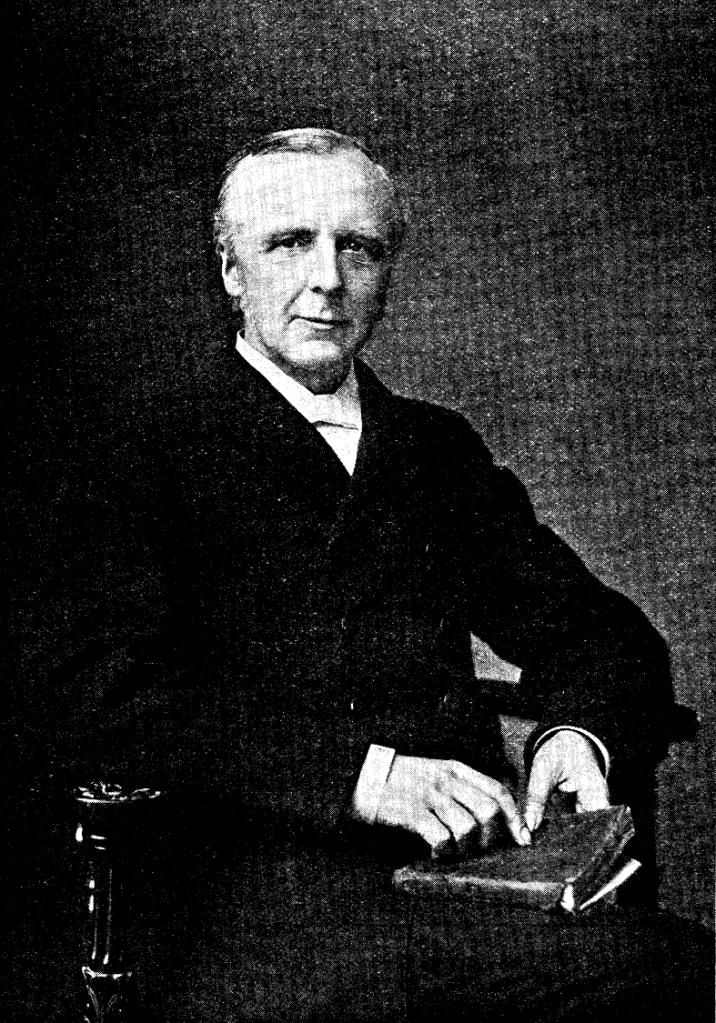
FB Meyer, the pastor, author and Bible teacher, at the Keswick Convention in England told of a experience he had on one occasion. He was challenged to surrender himself completely. It was if his life was a house and God required him to surrender the keys for every room to Christ. There was one room, one area of his life that FB Meyer had not surrendered to God and the keys were required. After a protracted struggle he agreed to surrender those keys to Christ that the Lord might rule in every area of his life. That night in Keswick many people sat into the night writing letters of apology, begging forgiveness and writing cheques to cover unpaid bills as God’s people put wrongs to right.
Image – FB Meyer
Legalism or Holiness?
Sometimes the older generation of Christians are accused of being legalistic with their rules and standards for Christian behaviour. In some cases but by not in every case those rules may seem somewhat illogical and not all can be biblically verified. BUT – that generation was closer to revival than the younger generation and many saw God working in a way that this age has not. In many cases these rules and standards were a sincere attempt to please God. Today the pendulum has swung much too far in the opposite direction. When revival comes there will be much in all of our lives that must be put right.
LIVES TOUCHED BY REVIVAL WILL BE HUMBLE, UNWORLDLY AND SPIRITUAL.
REVIVAL AND THE RESURGENCE OF PRAISE
Hymnology
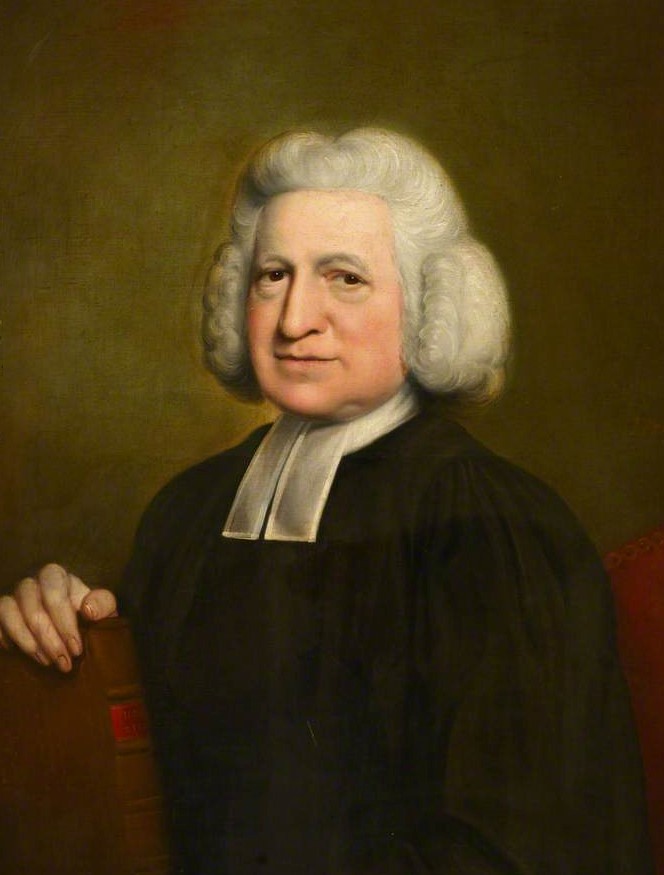
Praise figures high in the testimonies of revival in days gone by. Many of our greatest hymns were written in revival times. Indeed both the 19th and 18th Centuries, which were characterised by the work of the Holy Ghost produced an avalanche of hymns. The Methodist movement and hymns of Charles Wesley are inseparable. While we do have some modern hymns with sound words it is difficult to find words written today which match the depth and biblical truth contained in Wesley’s hymns. The Reformation period also, introduced the gift of hymns into the Protestant Church. Luther was a writer of hymns the most popular of which in the English language is “A Mighty Fortress in our God”.
Image – Charles Wesley
Congregational Praise
The Reformation reintroduced the concept of congregational praise into the Church. Through the Middle Ages praise was the reserve of the choirs and was often a performance rather than true worship. Luther taught that the people are priests and ought to be offering this sacrifice of praise universally. Therefore congregational worship was reborn and we continue to benefit from this discovery every time we attend God’s house.
During the fishermen’s revival in the 1920’s, as the fishing boats returned to their Scottish harbours after being visited by the Holy Spirit during their season in English waters – the fishermen sang as the boats docked. The genuineness and the spiritual energy of their singing left a mark upon all who witnessed it. The revival continued in the Scottish fishing villages throughout that winter.
THE HOLY SPIRIT AUTHORS BIBLICAL PRAISE
REVIVAL AND THE REGENERATION OF SOCIETY
When revival visits Church communities are reshaped and nations are born anew.
Freedom and Tolerance
Pentecost transformed the world. The brutality of the ancient world would eventually give way to the gentle humanity of Christian virtues. This would not happen in a decade nor even in a century. It took centuries of Christian influence to slowly transform nations and societies. That transformation did take place is undeniable.
One of the greatest accelerants in this regeneration was the Protestant Reformation. Peoples like the Germans and Dutch had for long suffered under the cosh of the Holy Roman Empire which robbed them of their wealth and freedom. Protestantism taught them a precious truth – that all men were equal before God. This one seed truth would eventually germinate in society as democracy. Western values, which are associated with freedom, were born out of the Reformation. The Reformation only impacted Western Europe but with its great empires, especially the British Empire, these values were exported throughout the world. It was English separatists, for example, who birthed the United States of America. Hinduism is at its heart a most intolerant religion yet India is the largest democracy in the world – Why? – because of the influence of the British who once governed the sub continent. Nations untouched by the Protestant Reformation like Russia, China and many of the Islamic nations are among the most oppressive places to live. The significance of this should not be missed by us.
The 18th Century was one of revolution across Europe and America. The American and French revolutions with their republican ideals threatened to overwhelm Britain. Yet Britain was spared such a violent upheaval even though there was much by way of poverty and social deprivation. Historians will point to the Evangelical Awakening as having a critical influence upon the English especially. Instead of being political agitators thousands learned in the revival to put their energies into the spiritual Kingdom.
Social Transformation

The 1859 revival in Ulster is an excellent case study into the social effects of revivals. Public houses were closed, crime was reduced and in some areas the magistrates heard no cases for an entire quarter!
Image – The original cover of DR IRK Paisley’s excellent work on the ’59 Revival in Ulster; published to commemorate the centenary of the revival.
Today, throughout the western world society is in free-fall as the Christian influences which shaped our past are forsaken. No longer is family life, the heart of the nation prized, and abortion signifies that we no longer treasure children. The selfishness and cruelty of humanism has taken centre stage at the expense of of precious values which made us great. Only a revival within the Church can stem the tide and save us from catastrophe.
WHAT OUR NATION NEEDS IS NOT A NEW GOVERNMENT WITH BETTER POLICIES AND OBJECTIVES BUT REVIVAL.
REVIVAL AND THE BUILDING OF THE CHURCH
Back in 1982, as a teenager, I sat in the gallery of my home congregation Coleraine, Co Londonderry, Northern Ireland. The fear of God was palpable in those meetings. Dozens were converted. By the end of the mission people spontaneously rose to their feet in thanksgiving for what God had done. The congregation grew most markedly in just three weeks. While neither I nor anyone associated with those meetings ever described the work in 1982 as a revival, at the very least it was a localised outpouring of the Holy Ghost. It was not a revival which spread out through the land but compared to these dark times, it was a season of refreshing. The Church grew and a foundation was laid for the future.
Every Church has been born out of revival. Without the revivals of the past we would not have a work in the present. If there is to be a legacy for future, therefore, we must have revival today.
REVIVAL, NOT CLEVERLY CONTRIVED SCHEMES AND STRATEGIES, IS GOD’S PROGRAMME FOR SUSTAINED CHURCH GROWTH.
REVIVAL AND THE UNLIKELY INSTRUMENTS



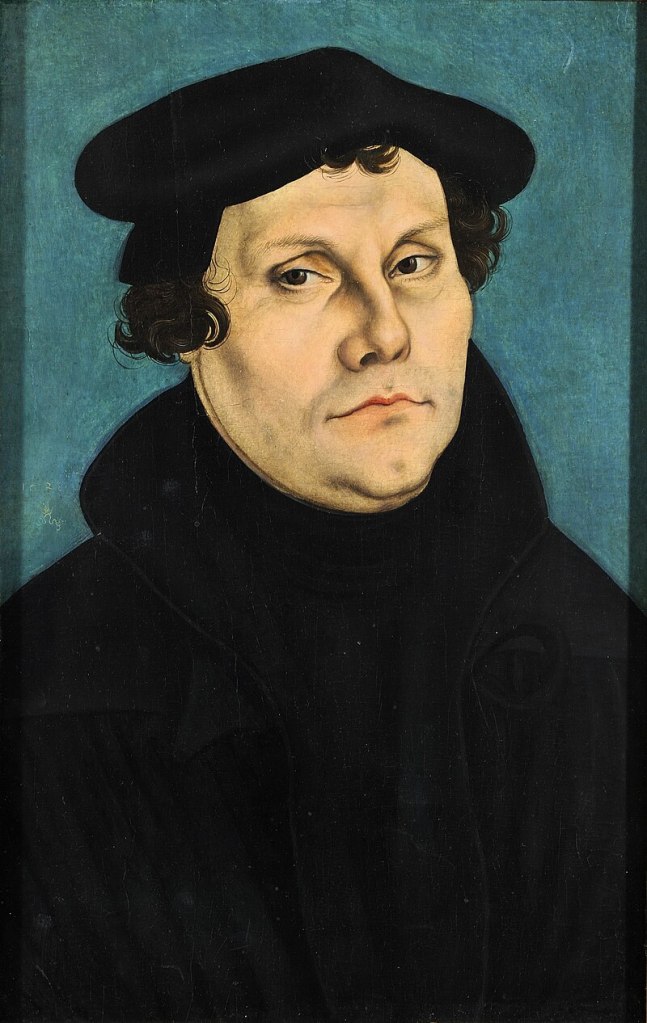
It has been a leading feature of revivals in history, that those whom God calls have been often the most despised and the most surprising of instruments. The God who chose the fishermen and not the Pharisee, who brought out a mentally frail Luther from the darkness of a monastic cell, who brought Calvin as a youthful preacher lacking in confidence and Knox from the whip of a French Galley – to champion His cause in Europe – continues to fashion the weak and foolish in man’s estimate . Bunyan the preacher and author whose testimony lives today, had no formal education. Whitefield as a very young man stood alone preaching Christ in the open air when no-one else had attempted this very thing. Wesley had been a failure in Georgia, returning to England in disgrace and then God strangely warmed his heart in a Moravian meeting house. Moody was the shoe salesman who was challenged by Varley, an Irish Butcher, and taught the extent of God’s love by Moorhouse , an ex-prizefighter. Moody often acknowledged his theological limitations and would ask ministers for advice on doctrinal matters but he won thousands for Christ on both sides of the Atlantic. WP Nicholson could be uncouth and rude but under his preaching Ulster experienced revival as people were murdered on the streets. The list is endless. God in revival takes up the little people, the despised of this world, making them sharp threshing instruments having teeth.
ALL GOD REQUIRES OF HIS REVIVAL INSTRUMENTS IS SUBMISSION; HERE AM I, SEND ME.
REVIVAL FOR THE GLORY OF GOD ALONE
God has a clear purpose in taking up the despised of this world; in not taking up the polished orators or the great theologians acclaimed by many – no flesh can glory in His presence. As we observe the people God uses in revival; the broken people who were shattered before they were healed – we are brought to the realisation that this work is of God. Where there is pride there will never be revival. The proud spirit which boasts of our people, our ministers, our theology, our separation, our standards must be broken before revival will come. God will never allow it to be said that revival came because of anything that we are or claim to be. To say that God cannot bless because a certain congregation or denomination has been unfaithful in a particular area is to say that we are faithful in every department and that we deserve blessing. No-one deserves revival. It is God’s sovereign gift of grace to give. We are debtors; “blessed are the poor in spirit: for theirs is the kingdom of heaven” (Matthew 5:5).

NEVER PUT YOUR FILTHY HANDS, AS UZZAH DID, UPON THAT WHICH GOD DESIGNS FOR HIS GLORY.
REVIVAL IS A PROMISED BLESSING
The revivals of the past are but a pattern and a precursor for the revivals that are yet to come.
Christ has promised to build His Church and the principal means which he uses to do this very thing is revival. Christ continues to build His Church; therefore the day of revival is not over.
The Knowledge of the Glory of the Lord
The prophets Habakkuk and Isaiah foresaw a day when the knowledge of the glory of the LORD would cover the earth as the waters cover the sea (Isaiah 11:9, Habakkuk 2:14). This promise has only been partially fulfilled. The early Church had a huge impact in the Middle East, North Africa and Western Europe. But Christianity only gained a foothold in a pagan society before degenerating in the apostasy we call Roman Catholicism today. The Reformation church had a dramatic effect upon Christianity under the control of the Papacy but even in this section of Western Europe large swathes of the population in Spain, Italy and France for example were untouched. Furthermore the Reformation had little impact upon the Eastern Orthodox Churches which to this day have not experienced the ministry of a leader of Luther’s ilk. The billions who live under the spell of Islam, Hinduism and Buddhism continue in their darkness with only a few isolated incidents of movements of grace. There have been encouragements. There are probably more Christians in China than any other country on earth but still atheistic communism dominates. Iran has experienced a dramatic growth in Christianity since the Islamic Revolution but God’s people remain a small and persecuted minority. Never in history has the knowledge of God covered the earth as the waters cover the sea.
The Spread of God’s Kingdom
Micah and Isaiah both predicted a day when all nations would flow to the House of God, to be taught in His ways and walk in His paths; an age when wars would cease throughout the world (Isaiah 2:1-5, Micah 4:1-7). Daniel, as he predicted the rise and fall of the great world empires, saw a stone which would smash every other part of the image, a stone which was God’s Kingdom filling the entire world (Daniel 2:36-45).
The Olive Tree

The Apostle Paul wrote of the natural branches of the olive tree which were broken off (Israel) being grafted into the tree once again with the Gentiles who were once the wild olive tree. When Israel is saved great riches would visit the entire world (Romans 11). John in the Apocalypse saw Satan being bound and cast into the bottomless pit for 1,000 years during which time the world would experience a spiritual resurrection when God’s people will live and reign with Christ (Revelation 21).
The Power of the Gospel
Revival is the unleashing of the power of the Gospel by Christ sitting upon His throne presiding over His Church and reigning by the sceptre of His Spirit. If He is indeed King of Kings and Lord of Lords then there is a coming day when the wickedness of the world will be broken and the King shall receive His heart’s desire – the heathen and the uttermost parts of the earth will be His possession (Psalm 2).
This promise of revival on a scale never before witnessed in history is the greatest inspiration for evangelism and missionary work. Whatever lands our missionaries visit, better days are coming. Even in our darkened nation – the gates of Hell will be smashed because Jesus reigns!
THE WORLD HAS YET TO SEE THE FULLNESS OF THE GOSPEL’S POWER AMONG THE NATIONS
REVIVAL IS CLAIMED BY PRAYER
A promise is given that we might claim it by prayer and faith. Revival is a covenant blessing. It is an integral aspect of the promise of the Holy Ghost. Our Heavenly Father gives the Spirit to them that ask and He will pour water in Him that is thirsty. While we do not know when revival will come we know that the Spirit’s power will descend upon every nation and therefore we pray for this world of lost sinner’s to that end. This is the ultimate claiming of the great commission.
REVIVALS OF THE PAST INSPIRE US TO PRAY FOR THE REVIVALS OF THE FUTURE
 Clogher Valley Free Presbyterian Church
Leave a comment