
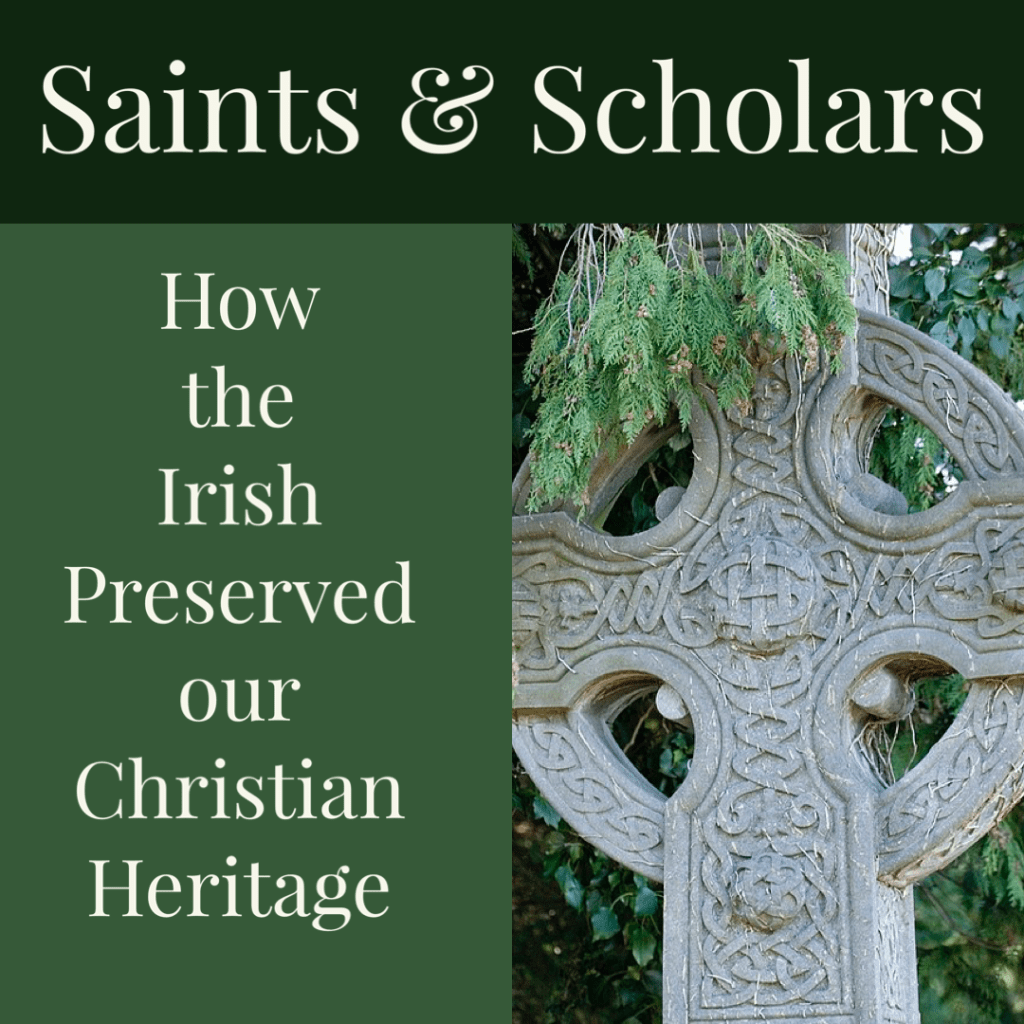
Today is for some a day off work and school, for others it is a time of revelry and parading while there are those will attempt to sectarianise or politicise St Patrick, the early Christian missionary. What is little understood, however, is that Patrick, the Roman Briton, was part of a movement which was closer to the early Christian Church than any other community in European history. This movement transformed Ireland into the hub of Christianity, art, intellectualism and missionary endeavour in the whole of Europe. After the Roman Empire fell, and the pagan tribes of Europe swept through the continent, the Irish Church quite literally preserved Christianity for Britain and Europe.
THE FOLLOWING ARE BRIEF EXAMPLES OF THIS NOBLE CHRISTIAN TRADITION, REPRESENTATIVES OF A MOVEMENT OF GOD’S SPIRIT.
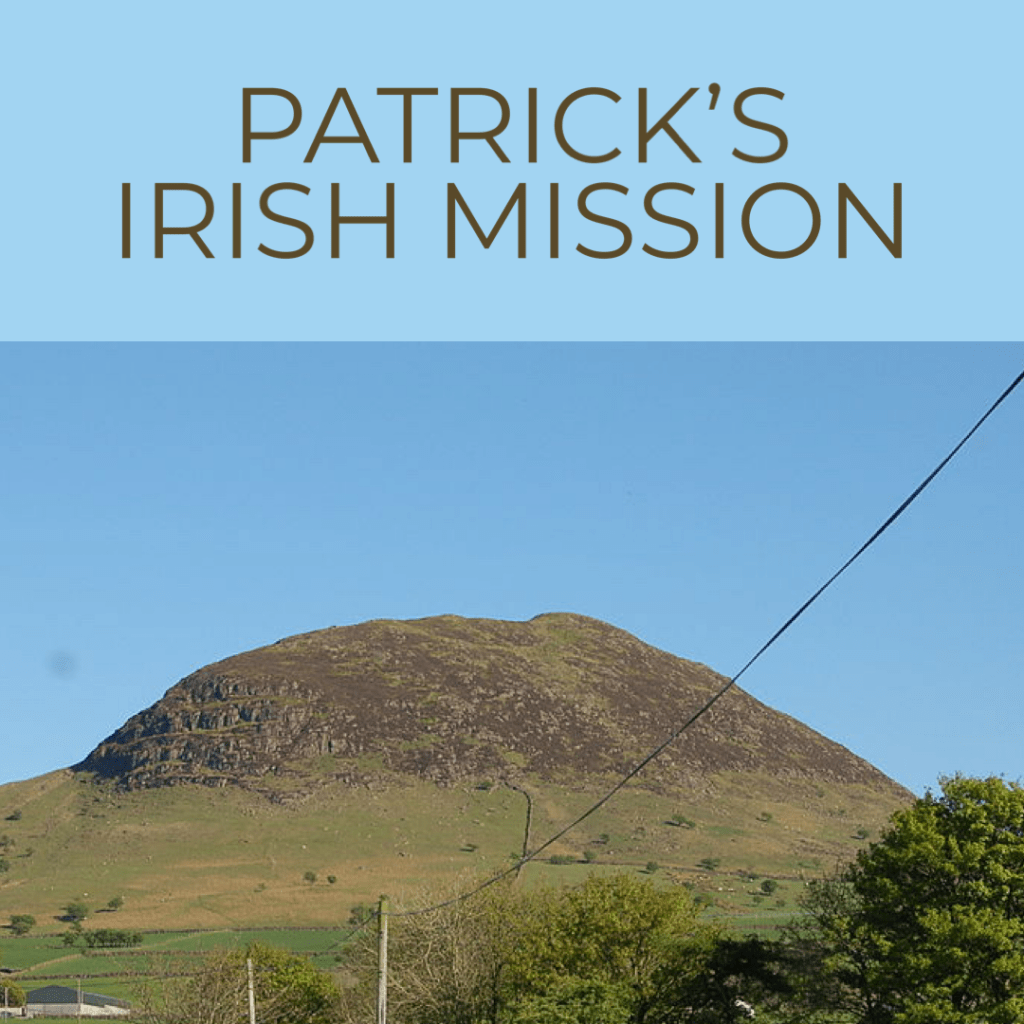
Patrick, kidnapped by bandits in Britain, enslaved in Ireland as a teenage boy near Slemish in Ulster, where he was converted, would return to commit his entire life to evangelising the Irish, ordaining bishops and establishing churches.
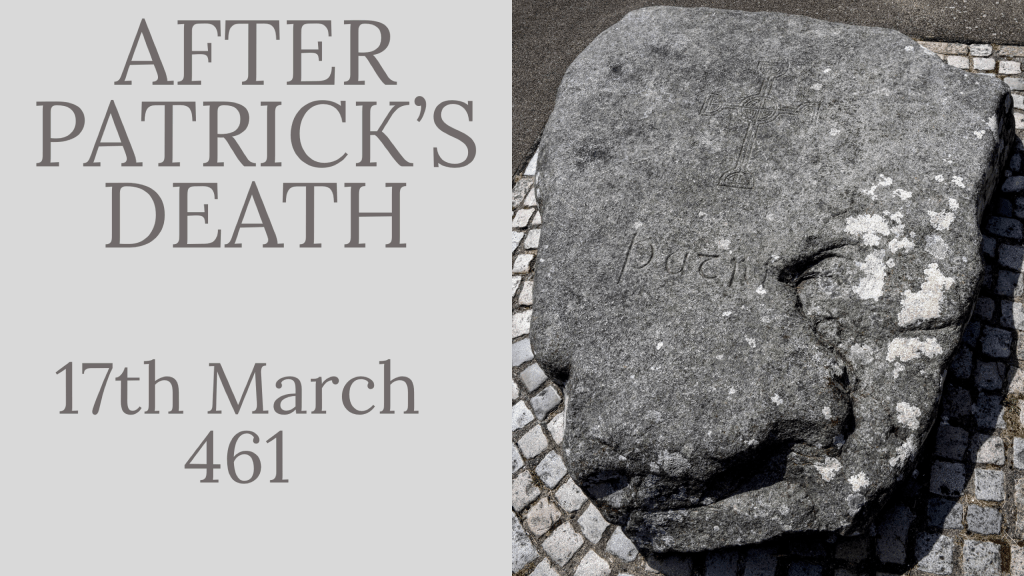
Subsequent to his death communities sprang up across Ireland, in remote places where boys would be educated and men would be prepared for Christian ministry and evangelism.
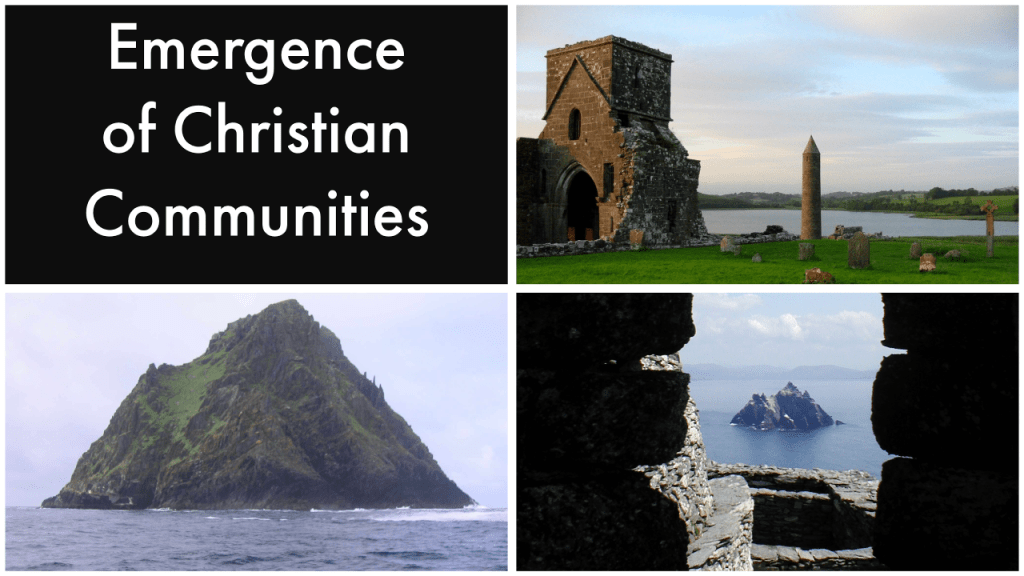
The Irish are described as a restless, roving people, whose appetite for travel spread not only Christianity but civilisation into Britain and Europe.
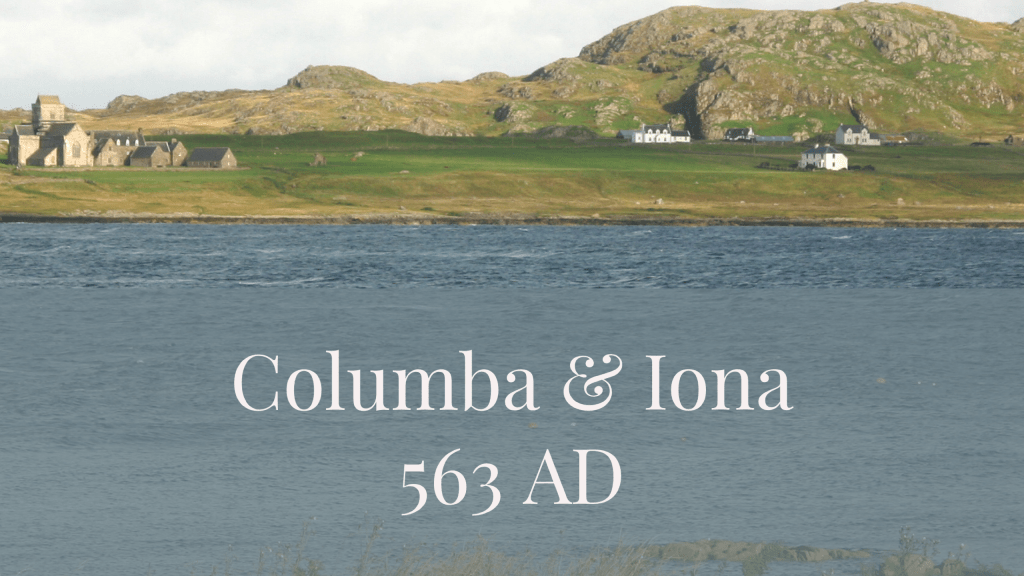
Columcille or Columba, as he is known in English, was one of the first to travel with a small group of devoted disciples. After a ministry in Ireland which saw schools and congregations established, this Donegal man made the trip north to the little Isle of Iona, just off the coast of Mull. Here a Christian community was established which became a light which shone into Scotland and Anglo – Saxon England. The spiritual influence of Iona would continue for centuries, with some historians crediting Columba’s arrival as a key moment in the emergence of modern Scotland.

Columbanus would travel further than Columba but he was by no means the only Irishman to journey deep into continental Europe. Educated in one of the many island schools of Lough Erne, he was by all accounts a fiery monk who held nothing back in his preaching. In France he challenged the decline of Christianity with such fervour that he was expelled. He journeyed on into Switzerland eventually reaching Italy. Here he famously corresponded with the Bishop of Rome, Pope Gregory the Great, resisting Roman traditions, calling himself the living dog while comparing Gregory to a dead lion.

Aidan was an Irish elder, who travelled from Iona to the Anglo Saxon Kingdom of Northumbria where he established a centre of learning and evangelism in the North Sea island of Lindisfarne. The Anglo Saxons had persecuted early Christian Britain virtually out of existence. The situation was little changed after Gregory the Great’s envoy, Augustin, established Canterbury and the Church of England. Aidan’s ministry, however, transformed many hearts, establishing numerous congregations – his influence was felt as far away as the Thames. He quite literally rescued English Christianity from annihilation.


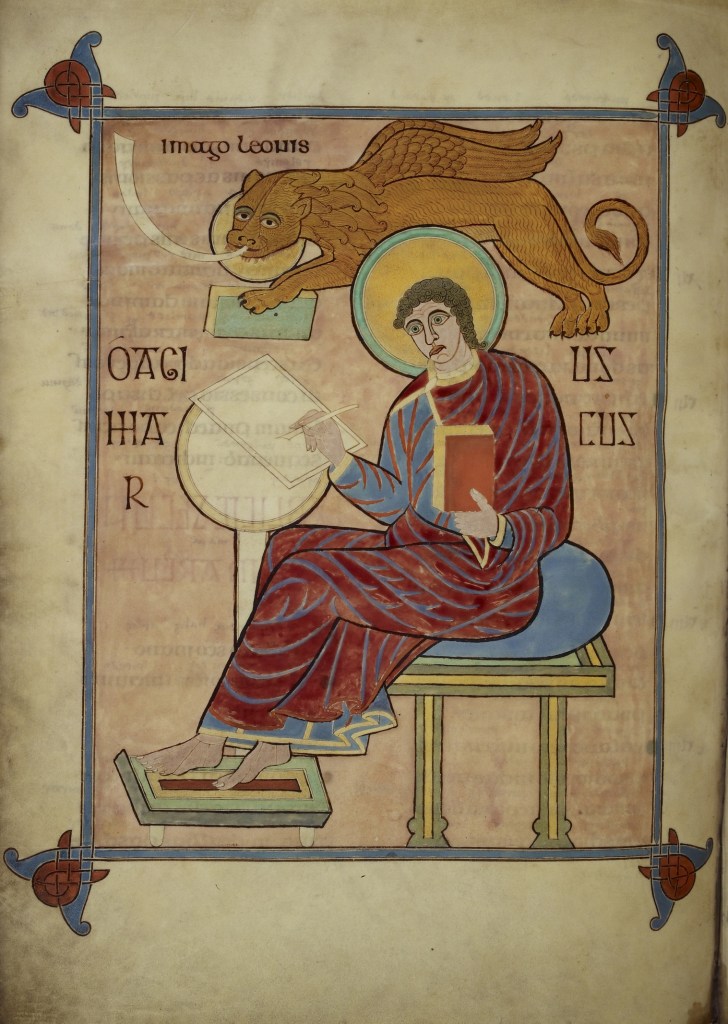
One of the lasting legacies of the old Irish Celtic Church are the writings known as the Book of Kells (Ireland) and the Lindisfarne Gospels (England). The skill, precision, artistry and reverence with which the Irish monks recorded and preserved Scripture indicates that they were a Bible people who treasured the Book of Books.
On St Patrick’s Day let us express gratitude to God for these early Christians who preserved the message and work of the Apostles on this unlikely island, which became beacon of light and hope for an entire continent.

 Clogher Valley Free Presbyterian Church
Leave a comment